Skip to product information
1 of 4

Libyan Desert Glass (5)

Libyan Desert Glass (5)

Quantity
Regular price $39.00 NZD
Regular price Sale price $39.00 NZD
Sale Sold out
Shipping calculated at checkout.

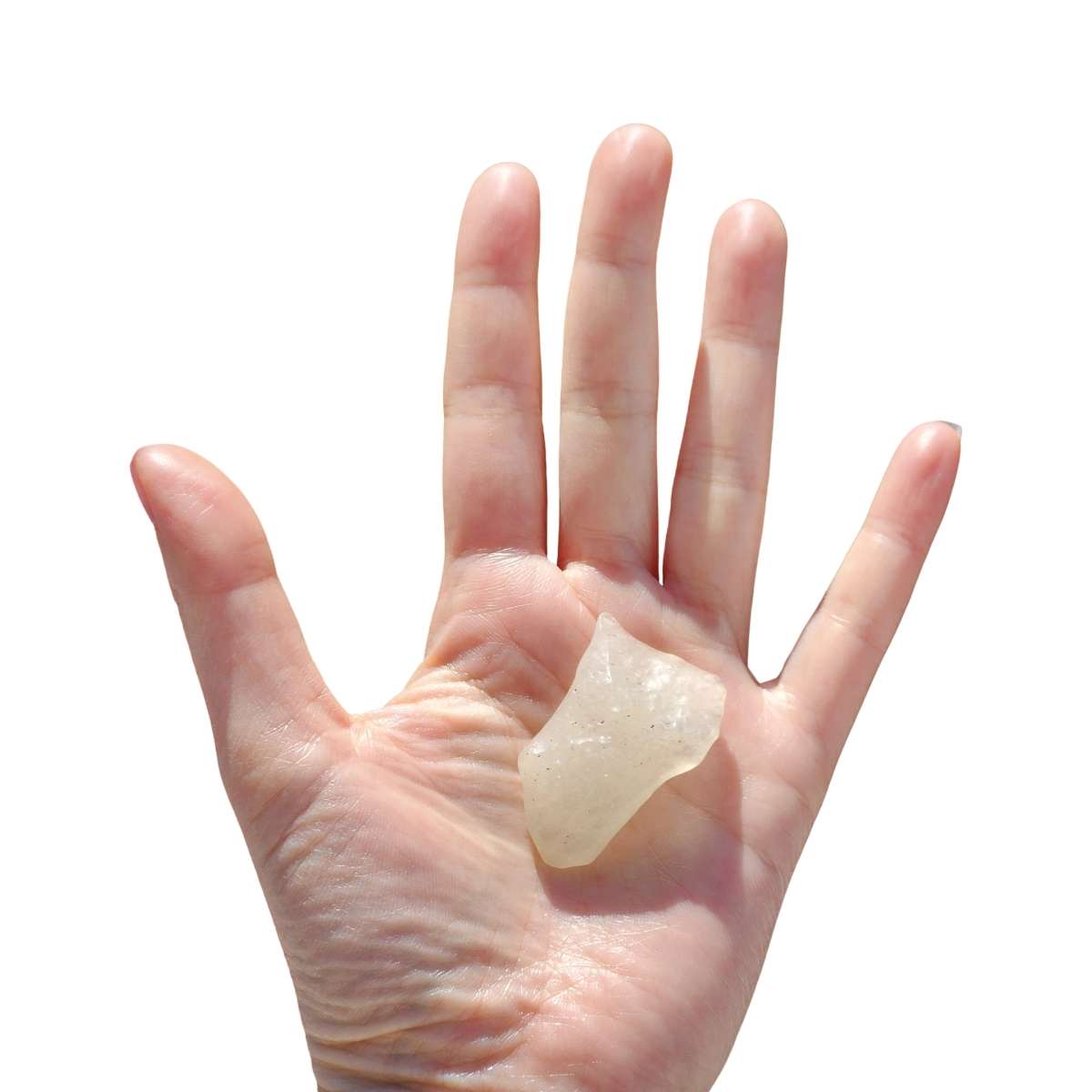
Natural Libyan Desert Glass displaying a translucent golden-yellow colour formed by an ancient meteorite impact. Its unusual origin and distinctive appearance have made it one of the most sought-after natural impact glasses in the world.

Size: 4cm x 2.2cm

Weight: 10.3g

Locality: Great Sand Sea, Sahara Desert (Egypt–Libya border region)

Crystal Facts

What is Libyan Desert Glass?

Libyan Desert Glass is a rare natural impact glass, or impactite, found within the Great Sand Sea of the Sahara Desert near the border of Egypt and Libya.

Formed approximately 29 million years ago, it consists of nearly pure silica and ranges in colour from pale yellow to rich golden hues.

Unlike most impact glasses, Libyan Desert Glass is exceptionally clear and can contain more than 95% silica, making it one of the purest naturally occurring glasses on Earth.

Although Libyan Desert Glass is sometimes compared to tektites, it is generally classified as an impactite. Tektites are formed when molten material is ejected high into the atmosphere during an impact and later falls back to Earth, whereas Libyan Desert Glass is thought to have formed from desert sand melted by the intense heat of a cosmic impact event.

How Did Libyan Desert Glass Form?

Scientists generally agree that Libyan Desert Glass formed when an extraterrestrial impact generated temperatures high enough to melt vast quantities of desert sand.

While the cosmic (meteorite) origin of Libyan Desert Glass is widely accepted, its exact impact site has never been identified.

One compelling theory proposes that a meteorite struck a shallow sea at a high angle, generating immense jets of vaporized seawater that propelled molten sand and meteorite fragments across the desert.

These materials then fell back to Earth, forming multiple smaller craters rather than a single large one — many of which may have eroded over millions of years. The heat of the secondary impact melted the sand beneath and around it to form what is now Libyan Desert Glass. 

Libyan Desert Glass and Tutankhamun

Libyan Desert Glass gained worldwide attention when a carved scarab made from the material was discovered in the breastplate of the Egyptian Pharaoh Tutankhamun. The find demonstrated that this remarkable desert glass was valued and worked into jewellery thousands of years ago.

Shipping

Dispatch NZ wide in 1-2 days by NZ Post Courier. Most parcels arrive the next day after dispatch. Rural may take 2-3 days. Please see our shipping & returns policy here.

View full details